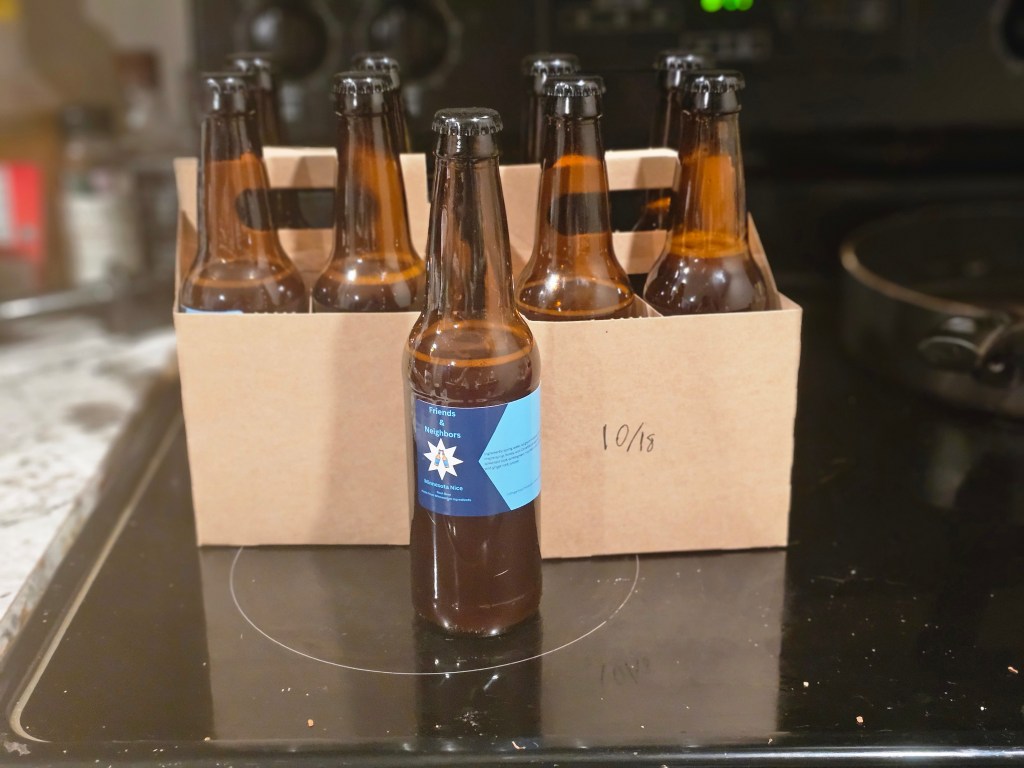
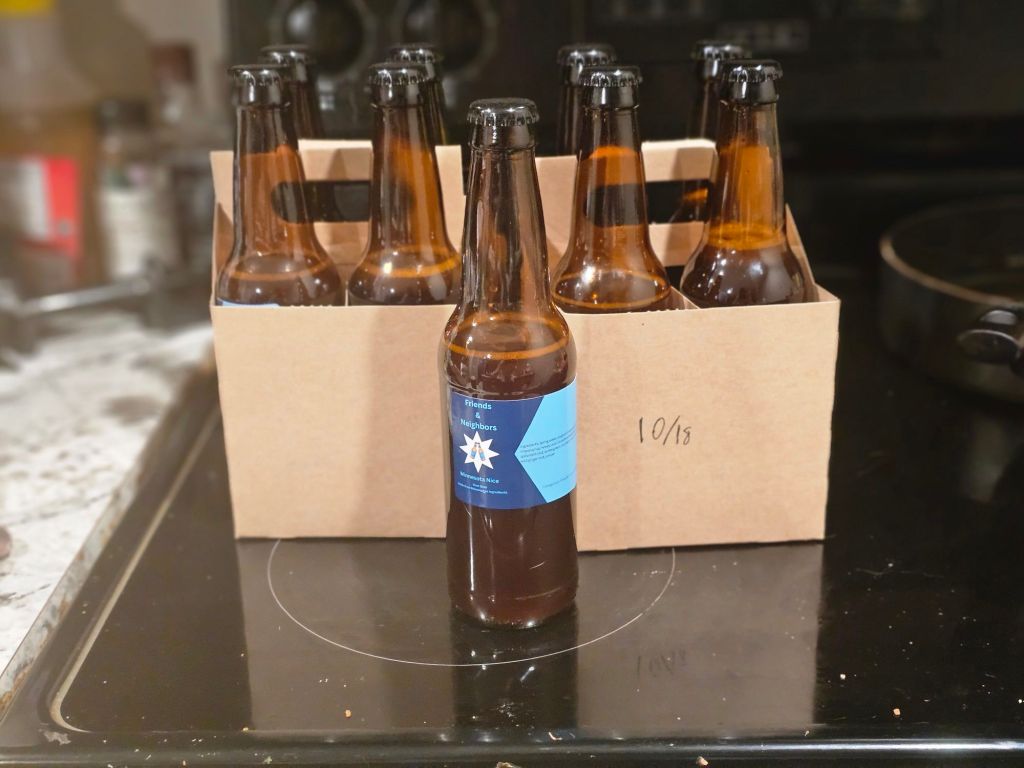
Once I got the hang of making homemade root beer I started to think about what I could do to change things up. I could and have made adjustments to my recipe, but what is there that I could do that would be really different? Thinking about the ingredients I used – roots, etc – and how many of the places that harvest them do so through foraging, I started to wonder what could be found locally. Thinking a little more, I finally got my idea: what if I could make a root beer using ingredients from Minnesota?
Obviously such a thing requires a little bit of research. Thankfully, there are a lot of resources online that can tell you where certain plants, herbs, spices etc. originate and what can be used as substitutions for non-local ingredients. I also want to credit Sean Sherman, the great Minneapolis-based indigenous chef whose cookbooks The Sioux Chef and Turtle Island are great resources for information about ingredients that are native to North America in general and the Midwest in particular. But as is often the case in developing recipes, some adaptation and interpretation is necessary.
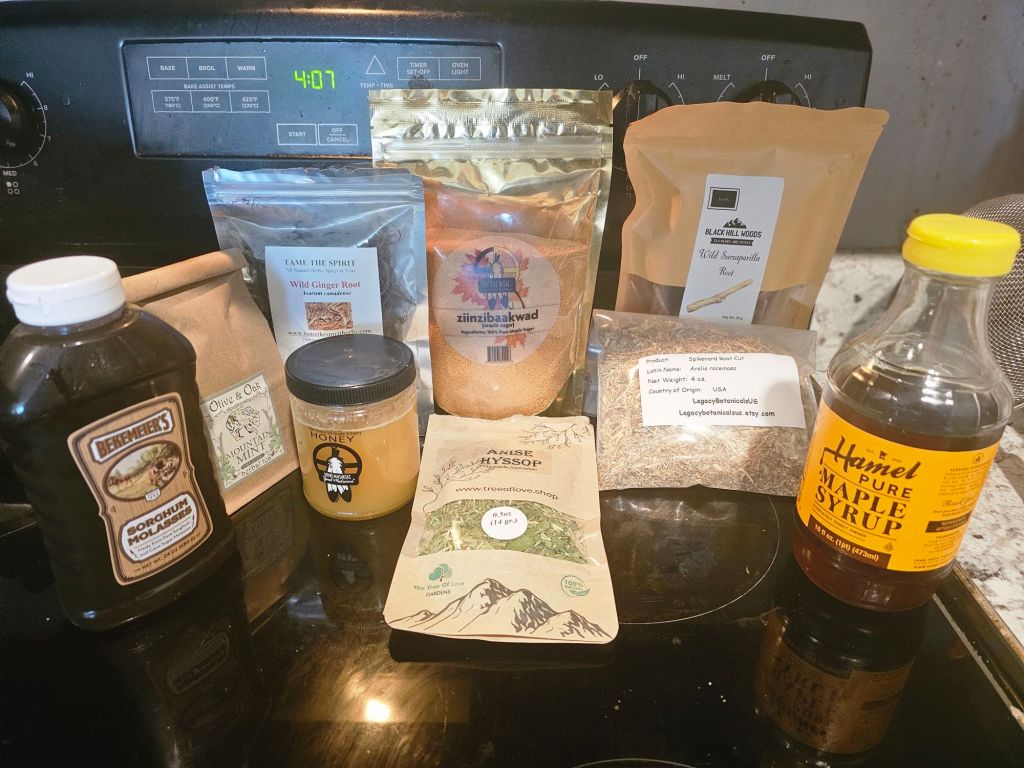
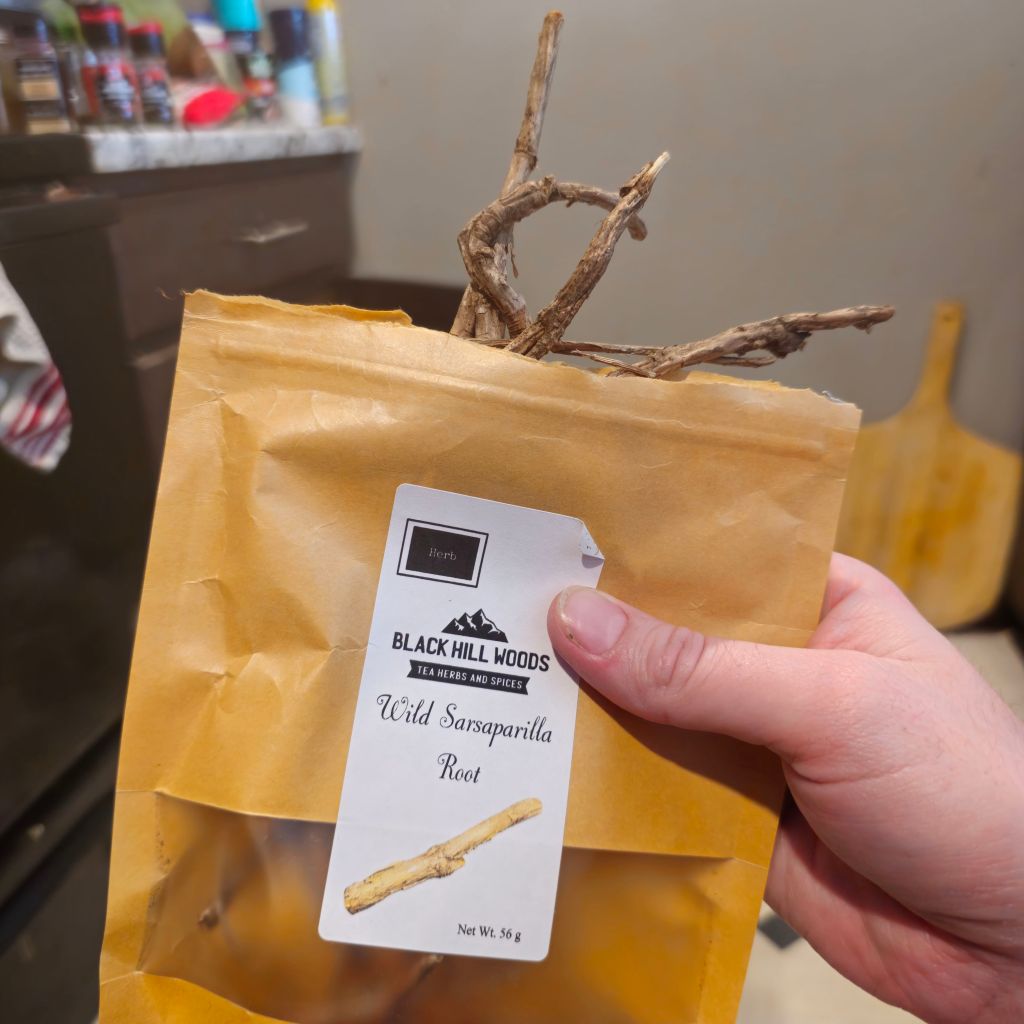
While the ingredients themselves are being switched up, my overall methodology is going to be pretty much the same. So we’re starting with the roots. The Sarsaparilla most commonly found online for root beer is either Mexican or Indian, but there is a variety that grows in Minnesota as well. The scientific name is Aralia Nudicaulis, but it’s also referred to as “Wild Sarsaparilla Root”, or more commonly “Wild Canadian Sarsaparilla” (yes, there’s a bit of a paradox where in developing a recipe based around Minnesotan ingredients I had to special order many from out-of-state, but such is life).
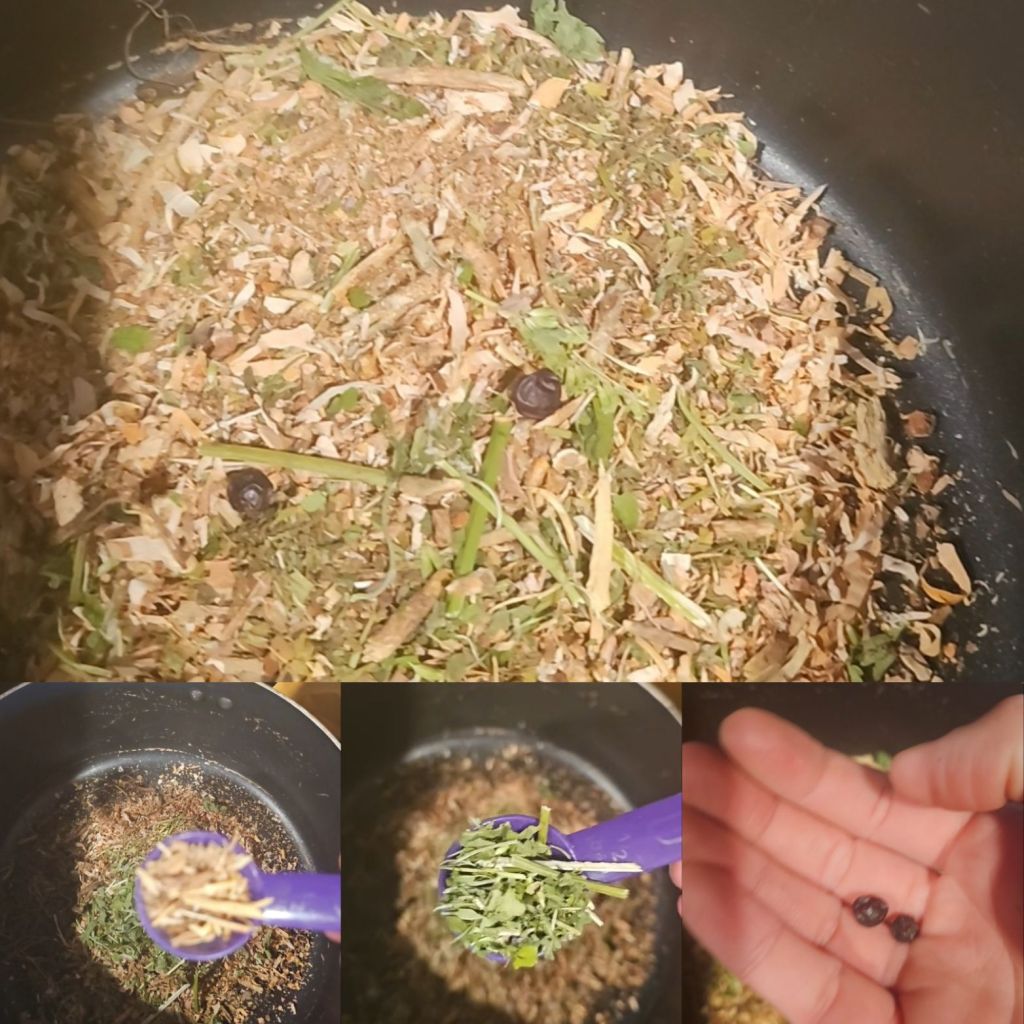
Birch trees are plentiful in Minnesota – anybody who’s been involved in Scouting knows that – so I can keep the Birch root from my other recipe in there. Some of the minty flavors can stick around, too. Wintergreen grows in Minnesota so I can use a tablespoon of that in place of the spearmint, and instead of chocolate mint (which doesn’t actually grow in the wild) I’ll use Pycnanthemum, which while commonly referred to as “Mountain mint” or even “Virginia mountain mint” does grow in Minnesota. One thing that doesn’t grow here, however, is Sassafrass. But that doesn’t mean I can’t find another ingredient not approved by the FDA to add some distinctive flavors to my beverage: let me introduce you to Spikenard.
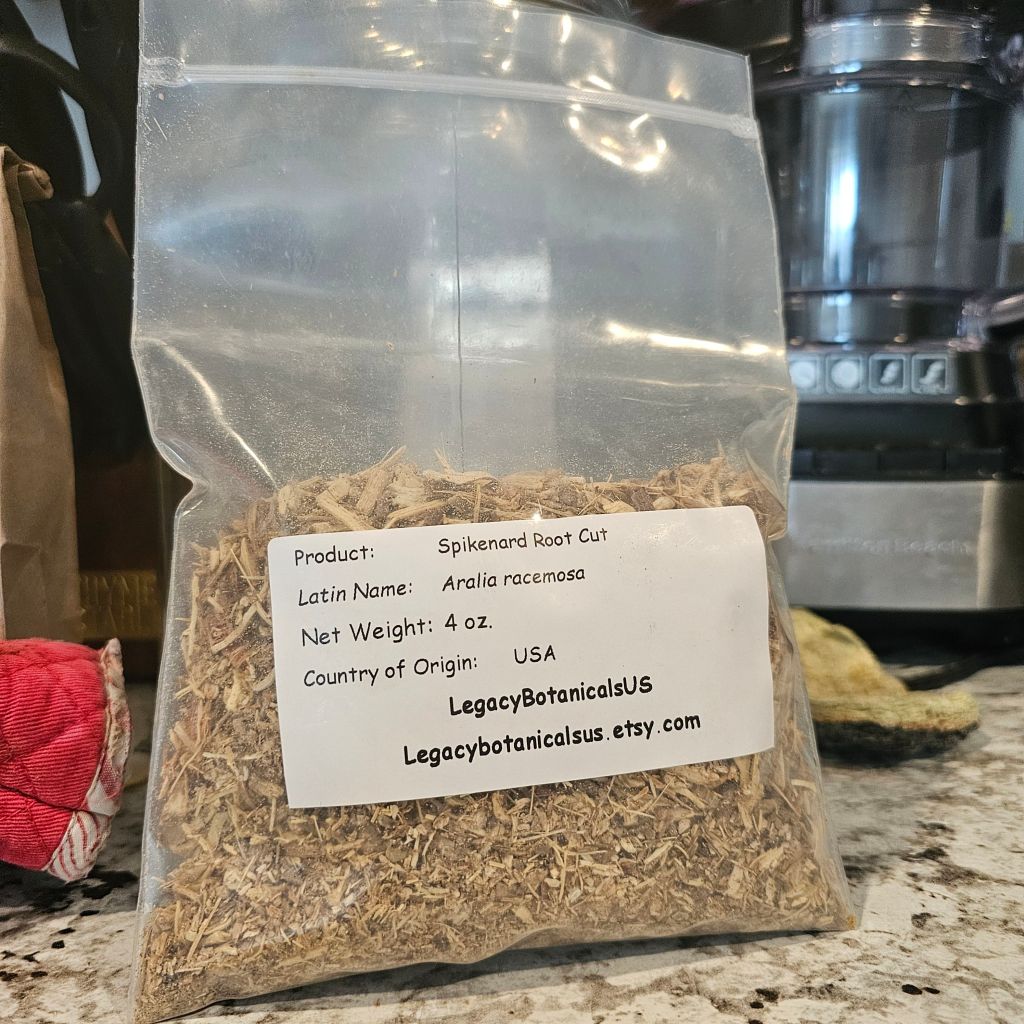
Spikenard, or Aralia racemosa, grows all throughout Minnesota and was, in fact, commonly used in herbal teas, historic root beers, and for medicinal reasons. But while it is a common essential oil nowadays, Spikenard is not FDA approved as a food additive due to potential risk of digestive issues or pregnancy complications. For that reason, while I am going to use it, I’m only going to use about a half tablespoon. Since Spikenard has an aroma with a rich Anise-like scent, I’m going to pair it with an equal amount of a similar-flavored herb that grows around these parts: Anise Hyssop. Now personally I’m not typically a fan of the Licorice-like flavor commonly associated with Anise, but in my experience, cooking it changes the flavor into something more palatable, and in the case of Spikenard and Anise hyssop, it gives the root beer a richer sweetness. One last substitution is for my ginger bug. Tropical ginger is obviously not native to or associated with Minnesota, but there is Asarum canadense, or “Canadian Wild Ginger”, another flower that grows in Minnesota (but is named after our neighbors to the north) that has a similar warm bite when cooked. So in place of the ginger bug and other warming spices like cinnamon and nutmeg I’ll add two tablespoons of Wild Ginger. Finally, in place of allspice and cloves I’m using three juniper berries.
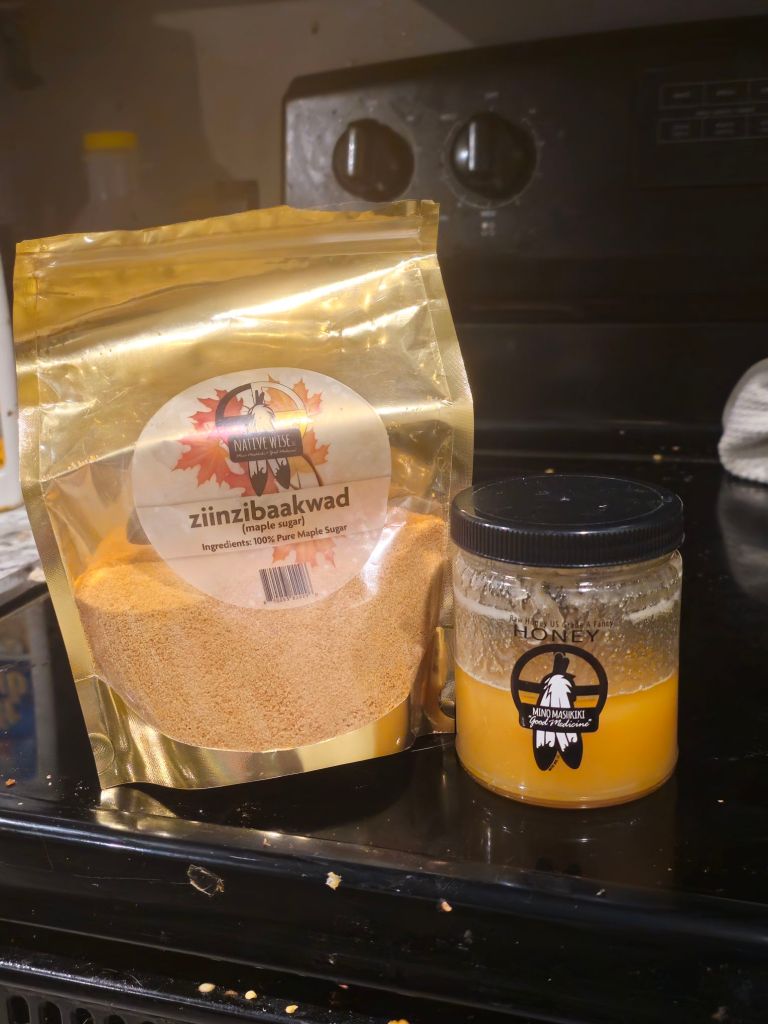
Now that our main ingredients are sorted we can add the water (Buhl, naturally) for the boil and steeping phase while we consider our sweeteners. As is the case with my normal root beer recipe I’m using a combination of solid sugar and liquid sweeteners, but I’m taking a somewhat different approach. Brown sugar and normal molasses are processed from sugar cane, which isn’t something you can find in Minnesota. What you can find, however, is maple syrup. sugar beets, and grains, the latter of two can be turned into Sorghum molasses. Granted, neither sugar beets nor sorghum grains are native to Minnesota – both were introduced by European colonists – but they are closely associated with the state these days, and since root beer itself comes from a union between indigenous and colonial ingredients and techniques, I think I have a little latitude here. So instead of brown sugar I’m using maple sugar, and for the liquid sweetener I’m using a combination of sorghum molasses and honey, along with an extra tablespoon or two of maple syrup.
Now for the carbonation factor, instead of the aforementioned ginger bug I’m using straight ale yeast. I tried to find an ale yeast specifically made by a Minnesotan company, but so far no luck. For my initial batch I used 1/2 teaspoon of the stuff, but I probably could have gotten away with less based on the amount of carbonation that developed after just 24 hours of fermentation.
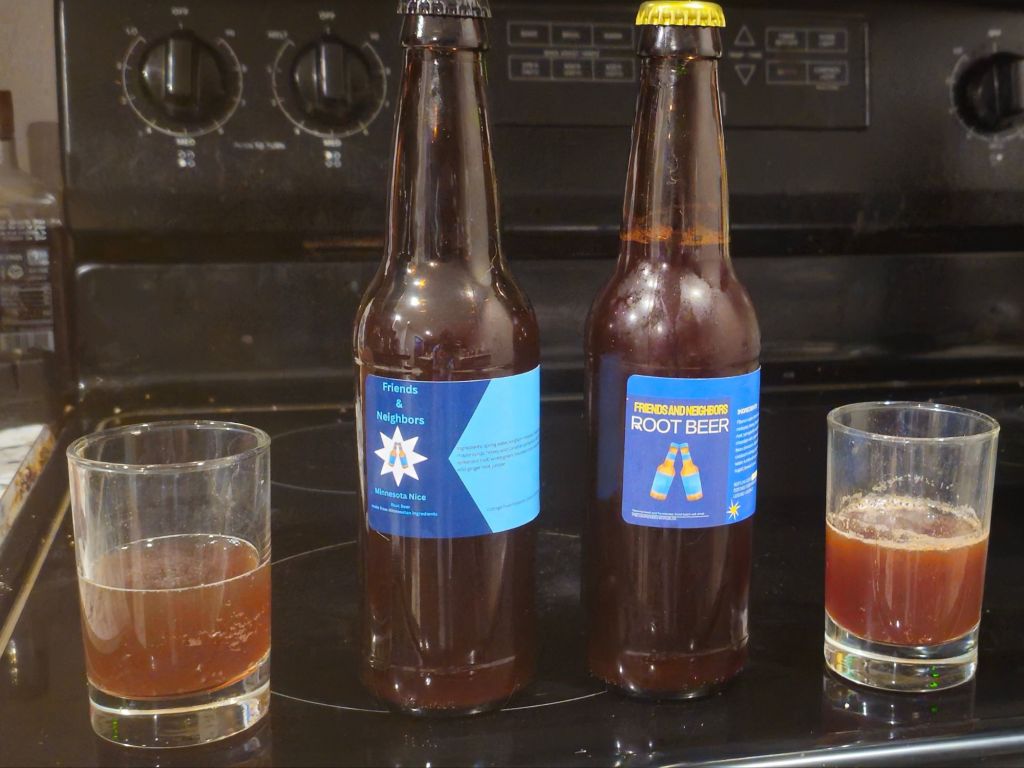
I ended up tasting the root beer after 24 hours of fermentation and chilling it overnight in the fridge. And I’m happy to say it tastes wonderful! It has the base flavor associated with root beer, and is perhaps less complex than my other recipe, probably due to using fewer ingredients. But that’s not necessarily a bad thing. There’s a clean finish to it that’s very, very refreshing.
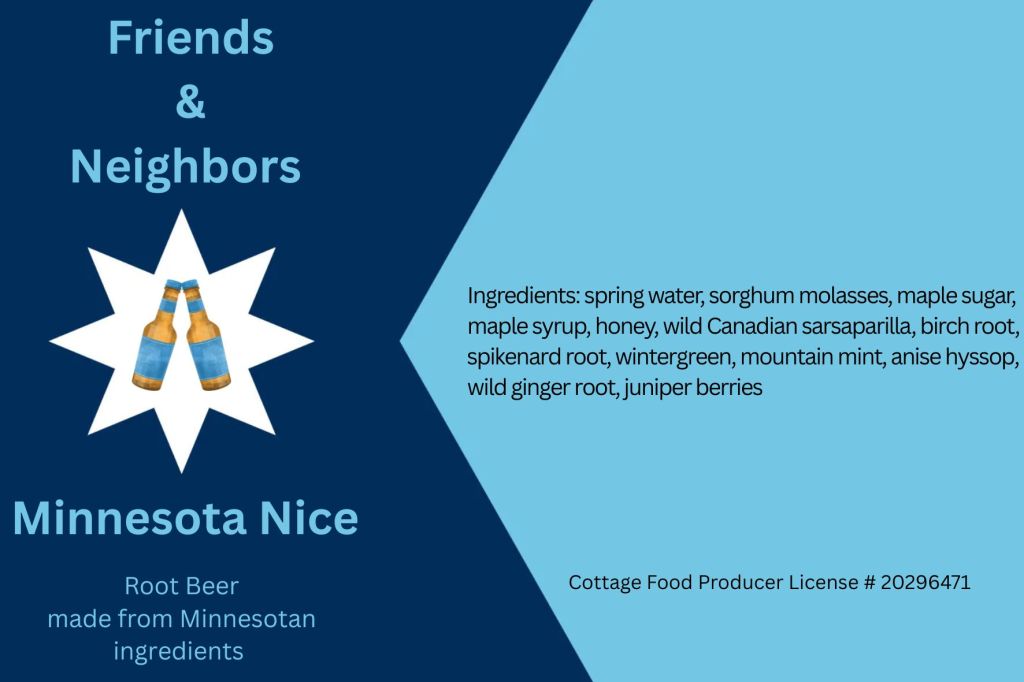
So I have to say, the Minnesota Nice root beer has been quite the successful experiment. Like the standard Friends and Neighbors Root Beer, this is for sale, so reach out if you’re interested, while supplies last, of course.


Leave a Reply